
Commercial Roofs Built for
Energy Performance
TPO Roofing in San Antonio for low-slope commercial buildings facing high cooling costs and frequent roof maintenance
Thermoplastic polyolefin roofing reflects solar radiation rather than absorbing it, which directly reduces heat transfer through the roof membrane into conditioned spaces below—a measurable advantage for warehouses, retail buildings, and office structures with minimal roof insulation. Nexus Roofing installs TPO roofing systems on commercial properties where flat or low-slope roof design requires single-ply membrane solutions that resist ponding water, UV exposure, and thermal cycling. You choose TPO when energy efficiency, installation speed, and long-term durability outweigh the initial cost difference compared to built-up or modified bitumen alternatives.
Installation involves mechanically fastening or fully adhering TPO membrane to the prepared roof substrate, then heat-welding seams to create continuous waterproof coverage across the entire roof plane. Heat welding produces seams stronger than the membrane itself, eliminating the weak points found in adhesive-sealed or overlapped roofing systems.
Schedule a commercial roofing consultation to evaluate whether TPO suits your building's roof configuration and performance requirements.
What Proper TPO Installation Requires
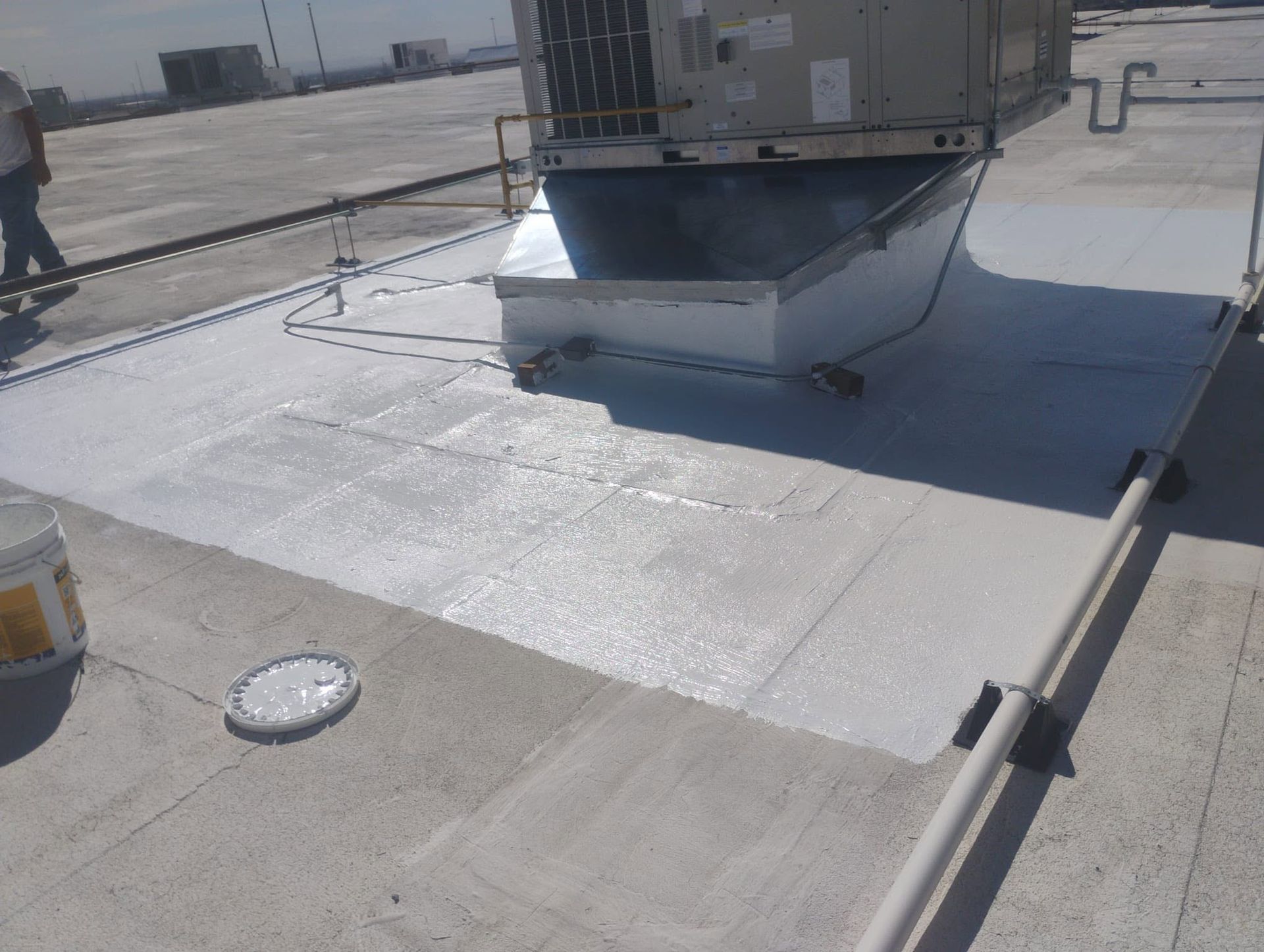
TPO installation begins with substrate preparation—removing existing tile roofing if necessary, installing insulation layers that meet energy code requirements, then securing cover board that protects the membrane from punctures during installation and throughout the roof's service life. Membrane attachment method depends on wind uplift calculations based on building height, roof perimeter dimensions, and local wind load requirements, with mechanically fastened systems using plates and screws at specified intervals or fully adhered systems bonding membrane directly to substrate with adhesive.
After installation, you notice the bright white surface that reflects sunlight rather than absorbing it, heat-welded seams that show no gaps or wrinkles, and proper flashing integration at roof edges, penetrations, and transitions. Building occupants often observe lower interior temperatures during afternoon hours when solar radiation peaks, reducing HVAC runtime and associated energy costs.
TPO roofing typically lasts fifteen to twenty years when properly maintained, though actual lifespan depends on membrane thickness, substrate quality, drainage effectiveness, and whether regular inspections catch small issues before they compromise the entire roof. The reflective properties remain effective throughout the membrane's life, unlike coatings that require periodic reapplication to maintain solar reflectance.
Common Questions About This Service
Commercial property owners evaluating TPO roofing ask about energy savings, installation disruption, maintenance requirements, and how TPO compares to other flat roofing options.
Why is TPO popular for commercial roofing?
TPO combines reflectivity that reduces cooling costs, heat-welded seams that create reliable waterproofing, resistance to punctures and tears from foot traffic and equipment, and lighter weight compared to built-up roofing systems that require multiple layers of asphalt and aggregate.
How does installation affect business operations?
Most TPO installations proceed without disrupting interior operations—work occurs entirely on the roof surface with minimal noise or vibration, though loading materials and operating equipment requires roof access that may temporarily block certain areas.
What maintenance does TPO roofing require in San Antonio?
Regular debris removal prevents drain blockage that causes ponding water, semi-annual inspections identify membrane damage or loose fasteners before leaks develop, and occasional cleaning maintains reflectivity where dirt accumulation reduces solar reflectance over time.
What determines TPO membrane thickness?
Building use, expected foot traffic, potential puncture hazards, and wind uplift requirements influence whether forty-five mil, sixty mil, or eighty mil membrane thickness is specified—thicker membranes cost more initially but resist damage better in high-traffic or exposed locations.
Can TPO be installed over existing roofing?
Existing roofing can remain in place if substrate condition is sound and building structure supports the added weight—this eliminates tear-off costs and disposal fees while providing additional insulation layers, though wet or deteriorated substrate must be removed regardless.
Nexus Roofing handles TPO installation and replacement for commercial properties requiring energy-efficient roofing solutions that perform reliably in Texas heat and storm conditions. Arrange a consultation to review your building's specific requirements and receive a detailed proposal based on roof dimensions, substrate condition, and performance specifications.