
Surfaces Designed for
Year-Round Exposure
Tile Roofing in San Antonio for properties requiring long-term weather resistance and distinctive architectural appearance
Tile roofs across Texas face hail impact, wind uplift from severe storms, and thermal stress from temperature swings between freezing winter nights and summer afternoons exceeding one hundred degrees. Nexus Roofing installs and repairs tile roofing systems that withstand these conditions through proper underlayment selection, mechanical fastening that resists wind loads, and individual tile replacement that maintains roof integrity after storm damage. You see the difference in consistent appearance across the entire roof plane and weathertight performance that prevents interior water intrusion even during driving rain events.
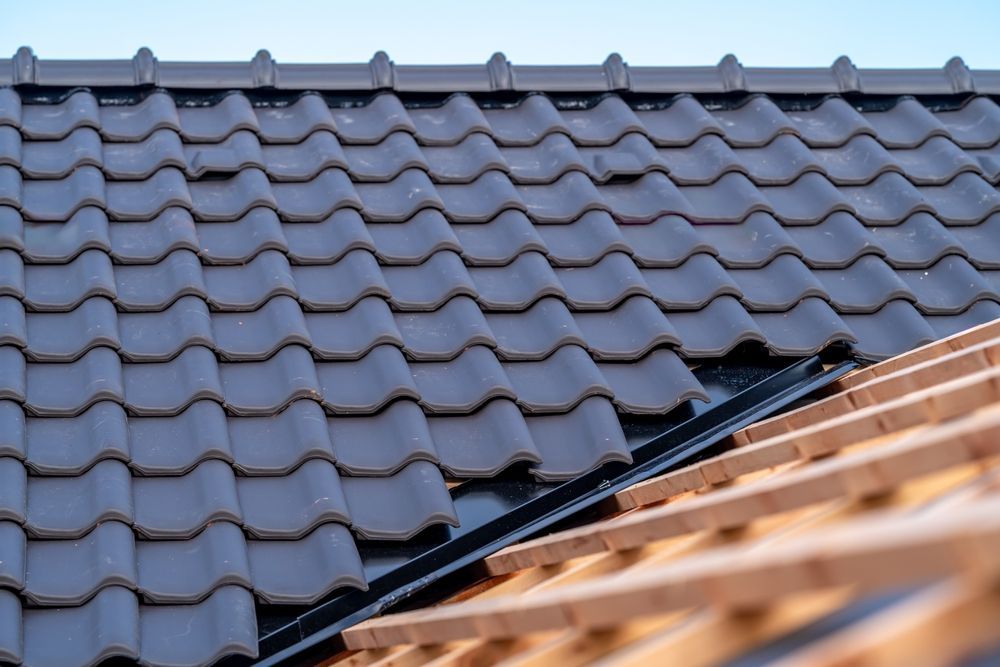
Installation involves securing high-grade underlayment to the roof deck, installing battens or directly fastening tiles depending on roof pitch and tile profile, then positioning each tile with proper overlap and mechanical attachment. This creates a drainage plane where water sheds across tile surfaces without penetrating to the underlayment below, while allowing airflow that reduces heat buildup in the attic space.
Request a detailed estimate to review tile options and installation requirements for your specific roof configuration.
Why Proper Tile Installation Works for Decades
Tile roofing depends on two-layer protection—the tile itself sheds bulk water while underlayment provides the actual waterproof barrier. Proper installation ensures tiles interlock correctly with adequate overlap, fasteners penetrate through designated holes or clips rather than cracking tile edges, and flashing integrates with both tile and underlayment layers at valleys, ridges, and penetrations.
Once installed, you notice the dimensional texture and shadow lines that distinguish tile from flat roofing materials, consistent color across all tiles without fading or efflorescence, and secure attachment that keeps every tile in place during high wind events. Tile roofing typically outlasts composition shingles by decades when underlayment is inspected and replaced at recommended intervals, since the tiles themselves resist UV degradation, moisture absorption, and impact damage that destroys other roofing materials.
Nexus Roofing handles both new tile roof installation and repair services that replace broken or displaced tiles while preserving overall roof function. Repair work often involves sourcing matching tiles, lifting surrounding tiles to access damaged areas, replacing underlayment if compromised, and reinstalling tiles with proper fastening—individual tile replacement avoids full roof replacement expense when only isolated damage occurs.
Answers to Frequent Service Questions
Tile roofing questions typically focus on durability, repair options, installation requirements, and long-term performance in Texas weather conditions.
What makes tile roofing suitable for harsh Texas weather?
Concrete and clay tiles resist UV degradation, temperature extremes, and moisture cycling without deteriorating—they don't rot, warp, or lose granules like organic materials, and properly manufactured tiles withstand hail impact that would puncture composition shingles.
How are broken tiles replaced without damaging surrounding areas?
Surrounding tiles lift carefully to access the damaged tile, which is removed after cutting or releasing fasteners, then a replacement tile slides into position and is secured using the same fastening method—this preserves underlayment integrity and maintains weathertight coverage.
When should tile roofing be inspected?
Annual inspections identify cracked or displaced tiles, failing flashing, and underlayment wear before leaks develop—catching these issues early allows targeted repairs rather than emergency response after water enters the building.
What affects tile roof longevity?
Underlayment quality determines how often that layer requires replacement, proper fastening prevents tile displacement during storms, and adequate attic ventilation reduces heat buildup that accelerates underlayment aging—the tiles themselves often last fifty years or longer when these factors are managed.
Does tile roofing require additional structural support?
Tile weighs substantially more than composition shingles—existing framing must support the added load, which sometimes requires structural reinforcement before tile installation on homes originally built for lighter roofing materials.
Residential properties seeking long-term roofing performance benefit from tile systems that maintain appearance and function for decades with minimal maintenance. Nexus Roofing provides free estimates that include structural assessment, tile selection, and installation timelines based on your specific roof geometry and project requirements. The company also offers
gutter repair and installation services to help protect your home's roofing system and foundation.