Roofing Damage Documented
the Right Way
Insurance Claims Assistance in San Antonio for homeowners navigating storm damage repairs
Storm damage to your roof creates two problems: the damage itself and the insurance claim that follows. Nexus Roofing provides Insurance Claims Assistance in San Antonio to help property owners document roof damage accurately, communicate inspection findings to adjusters, and understand the repair or replacement options their policy covers. When hail dents your shingles or wind lifts flashing around penetrations, the documentation you submit determines whether your claim is approved or denied.
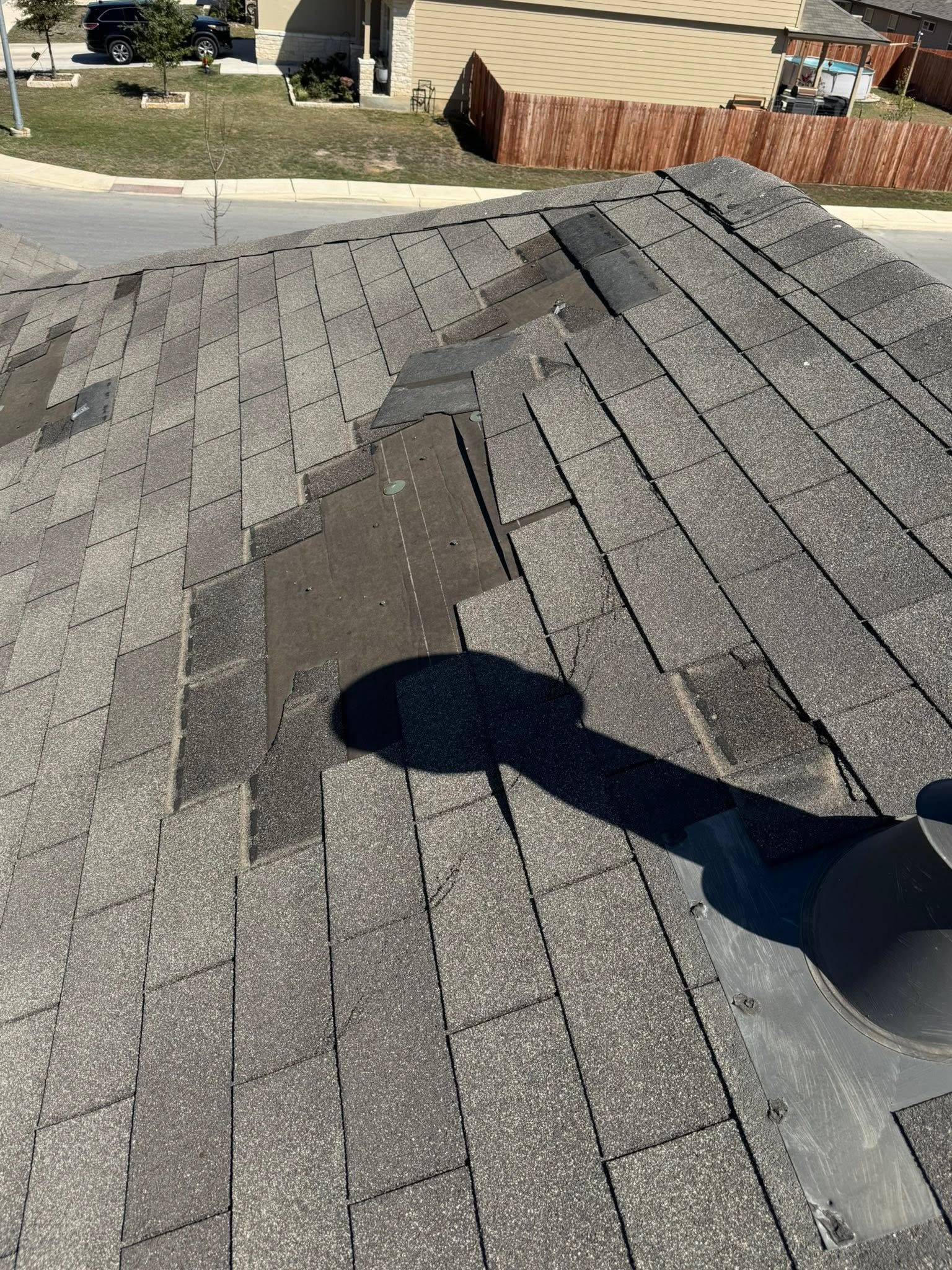
This service involves a comprehensive roof inspection that identifies all damage, photographs specific failure points, and creates a detailed report that matches the language insurance adjusters use when evaluating claims. You receive documentation that shows granule loss patterns, impact marks on metal components, and underlayment exposure that might not be visible from the ground but directly affects your claim outcome.
Schedule a free inspection after storm events to begin the documentation process before weather conditions change the damage profile.
How Proper Documentation Affects Claim Approval
The difference between an approved claim and a denial often comes down to how damage is documented and described. Insurance adjusters look for specific indicators: the number of impact marks per test square, the pattern of granule loss across slope sections, and whether damage is consistent with the reported storm date. Your roof inspection includes measurements of hail strike density, close-up images of each damaged area with dimensional references, and notes that connect visible damage to functional failures like compromised water shedding or weakened adhesive bonds.
After the inspection and documentation are complete, you receive a report that clearly explains what damage exists, what caused it, and why repair or replacement is necessary under your policy terms. Nexus Roofing helps you understand the difference between cosmetic wear that insurers exclude and structural damage they cover, so you know what to expect before the adjuster arrives. When adjusters visit your property, the inspection findings provide a reference point that supports your claim and answers questions about damage extent and storm correlation.
This service also includes guidance on communicating with your insurance company when initial assessments don't match the documented damage, helping you request re-inspection or provide additional evidence when coverage decisions seem inconsistent with the actual roof condition. The goal is to remove uncertainty from a process that most homeowners face only once or twice in their lives.
What Homeowners Ask About Claims Support
Property owners dealing with storm damage often have questions about how the claims process works and what documentation actually matters. These answers address the most common concerns about insurance claims assistance.
What happens during the initial inspection after I report storm damage?
The inspection covers every roof section, documenting impact marks, wind damage, and any pre-existing conditions that need to be separated from new storm damage. You receive photographs with measurements, notes on material condition, and a written summary that explains what the adjuster will look for during their evaluation.
How does this service help if the insurance adjuster denies or underpays my claim?
When adjusters miss damage or dispute the scope of repairs needed, the detailed inspection report provides specific evidence you can reference during the appeals process. San Antonio properties often experience hail patterns that damage north-facing slopes more severely than south-facing sections, and documentation that shows this distribution supports claims when adjusters initially assess only part of the roof.
What documentation do I need to provide to my insurance company beyond the inspection report?
Your insurer typically requires photographs of damage, a copy of the inspection findings, an estimate for repairs or replacement, and sometimes weather reports that confirm storm activity on the date you specify. The claims assistance process organizes these documents so nothing is missing when you file.
When should I schedule the inspection after a storm?
Inspections should happen within days of the storm event, before additional weather changes the damage pattern or before temporary repairs obscure the original failure points. Waiting weeks can make it harder to prove that damage resulted from a specific storm rather than gradual wear.
How long does the claims process usually take once documentation is submitted?
Most insurers respond within one to three weeks after receiving your claim, though complex cases involving total replacement or disputed damage scope can extend several weeks longer. The timeline depends on how quickly your adjuster schedules a site visit and whether the initial assessment matches the documented findings.
Nexus Roofing helps property owners in San Antonio move through the insurance claims process with accurate documentation and clear communication, reducing the uncertainty that comes with filing after storm damage. Request a free storm damage inspection to begin building the documentation your claim requires.