Drainage That Actually
Prevents Flooding
Gutter Installation in San Antonio for properties experiencing foundation settlement, landscape erosion, or water pooling near structures
Properties without functional gutter systems direct roof runoff straight to the ground at the foundation perimeter, where concentrated water saturates soil, creates hydrostatic pressure against foundation walls, and washes away landscaping during heavy rain events. Nexus Roofing installs custom-fit gutter systems that capture roof runoff and channel it away from structures through properly pitched gutters and strategically positioned downspouts. Residential and commercial properties with clay soils common to the Corpus Christi area benefit particularly from controlled water management, since expansive soils shift dramatically with moisture changes and create foundation movement over time.
Installation involves mounting fascia brackets at calculated intervals to support gutter runs, securing seamless gutter sections with proper slope toward downspout locations, installing end caps and outlets, then attaching downspouts that discharge water at least five feet from foundation walls. This creates a complete drainage path from roof edge to safe dispersal locations away from the structure.
Schedule a free estimate to assess your property's drainage needs and review gutter configurations that protect your specific foundation and landscaping layout.
How Proper Gutter Systems Address Water Damage
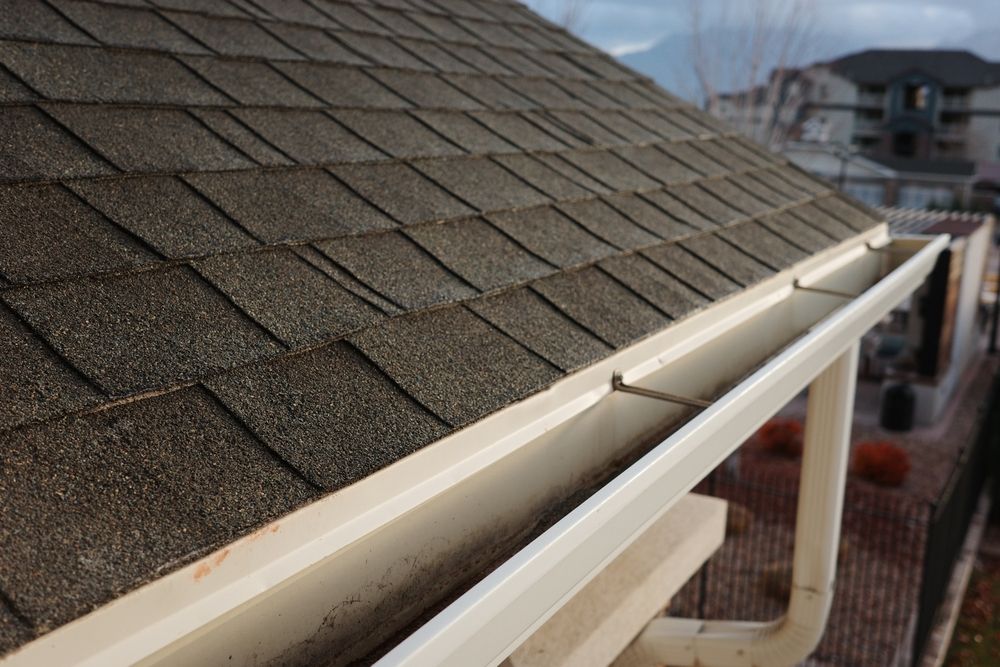
Gutter systems function through gravity and slope—water flows from high points to low points where downspouts carry it to grade level, then extension pipes or splash blocks direct it away from the building. Proper installation requires accurate slope calculation so water moves toward outlets without pooling in gutter runs, secure mounting that withstands water weight during downpours, and appropriately sized downspouts that handle peak flow volumes without overflowing.
After installation, you notice water flowing through gutters and exiting downspouts during rain rather than sheeting off roof edges, dry soil conditions near the foundation even after heavy storms, and preserved landscaping where mulch and plants no longer wash away with each rainfall. Basements and crawl spaces stay drier when foundation walls aren't constantly saturated, and exterior paint lasts longer without water splashing directly onto siding with every weather event.
Gutter materials include aluminum, steel, and copper, with seamless aluminum offering the best balance of durability, cost, and corrosion resistance for most residential applications. Seamless construction eliminates joints along straight runs where leaks typically develop, with seams appearing only at corners and downspout connections where they're properly sealed during installation.
Questions Before Starting Your Project
Property owners considering
gutter installation and repair ask about sizing, material selection, integration with existing structures, and maintenance requirements for new systems.
What size gutters does a property need?
Roof area, pitch, and local rainfall intensity determine whether five-inch or six-inch gutters are specified—larger roofs with steep pitches generate higher runoff volumes that require wider gutters and more frequent downspout spacing to prevent overflow during intense storms.
How do gutters integrate with existing roofing?
Gutters mount to fascia boards along roof edges without penetrating roofing materials—proper installation positions gutter lips to catch water flowing off roof edges while allowing shingles or tiles to overhang slightly for optimal water capture.
Where should downspouts discharge water in San Antonio?
Downspouts must direct water at least five feet from foundations and away from areas where pooling can occur—properties with poor grading may require longer extensions or buried drain pipes that carry water to street drainage or designated dispersal areas.
What prevents gutters from sagging over time?
Proper bracket spacing supports gutter weight when filled with water—brackets typically install every twenty-four to thirty inches depending on gutter material and expected snow load, with closer spacing in areas prone to ice accumulation.
Can gutters be added to homes that never had them?
Most residential structures have fascia boards suitable for gutter mounting—properties without fascia may require installation of mounting boards before gutters can be attached, adding to overall project cost but providing the necessary attachment points.
Nexus Roofing provides gutter installation for both new construction and existing properties requiring drainage system upgrades. Request a free estimate that includes site evaluation, material recommendations, and gutter configurations designed specifically for your roof layout and property drainage requirements.